


Description
🧬 What Is Cardarine Used For?
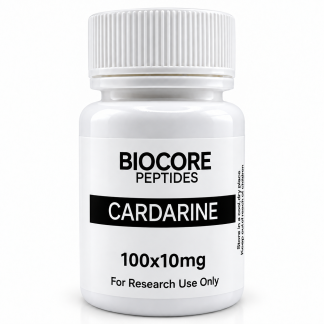
Cardarine (GW501516) is an experimental PPAR-delta (PPARδ) agonist originally investigated for metabolic and cardiovascular conditions. It is not a SARM and not an anabolic steroid, despite often being marketed alongside SARMs. It is not approved for human medical use.
Cardarine activates PPARδ, a nuclear receptor involved in how the body uses fatty acids and regulates energy metabolism. Research has investigated potential effects on:
- Fatty-acid oxidation
- Lipid and cholesterol metabolism
- Insulin sensitivity and glucose metabolism
- Obesity and metabolic disorders
Early human studies also investigated effects on blood lipids, but development did not lead to an approved treatment.
🏃 Endurance & Exercise Research
Cardarine became well known in performance contexts because animal research suggested PPARδ activation can shift skeletal muscle toward greater utilization of fatty acids and influence endurance-related metabolic pathways.
For this reason, it has been associated with:
- Increased exercise endurance
- Improved utilization of fat for energy
- Metabolic adaptations associated with aerobic exercise
These are not approved medical indications.
⚙️ How Does It Work?
Cardarine binds to and activates PPARδ, which alters expression of genes involved in:
- Fat metabolism
- Mitochondrial energy production
- Glucose utilization
- Skeletal-muscle metabolism
Unlike anabolic steroids, Cardarine doesn’t work primarily through androgen receptors or directly increase testosterone.
⚠️ Important Safety Concerns
Development of GW501516 was discontinued. A major concern is that long-term animal studies found increased development of cancers in multiple tissues. Exactly what this means for cancer risk in humans isn’t established because adequate long-term human safety studies were never completed.
Cardarine is also prohibited in competitive sport by the World Anti-Doping Agency (WADA).
🧪 Summary
Cardarine (GW501516) is an experimental PPARδ agonist researched for lipid metabolism, fatty-acid oxidation, metabolic disease and exercise-related metabolism. It is often promoted for endurance and fat loss, but these are unapproved uses, and significant unresolved safety concerns—including findings of cancer in animal studies—remain.

Reviews
There are no reviews yet.