


Description
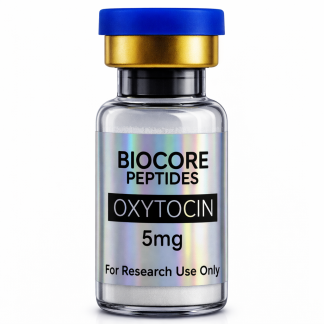
Sold as a lyophilized powder which must be reconstituted with bacteriostatic water.
📌 What is Oxytocin?
Oxytocin is a naturally occurring peptide hormone and neuropeptide produced in the hypothalamus and released by the pituitary gland. It plays a major role in social bonding, emotional regulation, reproduction, and stress response, earning it the nickname “the bonding or love hormone.”
💡 Main Uses of Oxytocin (Medical & Research Settings)
| Use | How It Helps |
|---|---|
| 🤝 Social Bonding & Trust | Enhances emotional connection, empathy, and social interaction |
| 💑 Sexual Function & Intimacy | May increase sexual arousal, orgasm intensity, and emotional closeness |
| 😌 Stress & Anxiety Reduction | Calms the nervous system and lowers cortisol levels |
| 🍼 Childbirth & Lactation | Stimulates uterine contractions during labor and milk let-down during breastfeeding |
| 🧠 Neurological & Mood Research | Studied for autism, PTSD, depression, and social anxiety |
⚙️ How It Works
Binds to oxytocin receptors in the brain and body
Modulates emotional processing, trust, and stress response
Triggers smooth muscle contractions (uterus, mammary glands)
Influences neurotransmitters involved in mood and attachment
📈 Benefits at a Glance
✅ Promotes emotional bonding and trust
✅ Supports sexual satisfaction and intimacy
✅ Helps reduce stress and anxiety
✅ Essential for labor and breastfeeding
✅ Plays a role in social and emotional health
⚠ Note: Oxytocin is FDA-approved for medical uses such as labor induction and postpartum bleeding control. Many neurological and mood-related applications remain research-based.
“For Research Use Only, Not Approved for Human Consumption”

Reviews
There are no reviews yet.