


Description
📌 What is Human Erythropoietin (EPO)?
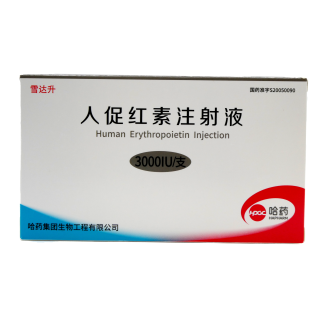
Human Erythropoietin (EPO) is a naturally occurring peptide hormone produced primarily by the kidneys. Its main function is to stimulate the production of red blood cells (erythrocytes) in the bone marrow, which are responsible for transporting oxygen throughout the body.
EPO plays a critical role in oxygen delivery, endurance, and tissue survival, and is widely used in medical settings and studied in regenerative and performance-related research.
💡 Main Uses of Human Erythropoietin
| Use | How It Helps |
|---|---|
| 🩸 Treatment of Anemia | Stimulates red blood cell production in conditions like chronic kidney disease or chemotherapy-induced anemia |
| ⚡ Improved Oxygen Delivery | Increases oxygen-carrying capacity of the blood |
| ❤️ Tissue & Organ Protection | Studied for protective effects on heart, brain, and kidneys during injury or low-oxygen states |
| 🧠 Neuroprotection (Research) | Investigated for stroke, brain injury, and neurodegenerative conditions |
| 🏃 Endurance & Performance Research | Explored for effects on stamina and fatigue due to enhanced oxygen utilization |
⚙️ How EPO Works
Binds to erythropoietin receptors in the bone marrow
Stimulates red blood cell formation (erythropoiesis)
Increased red blood cells → higher hemoglobin → improved oxygen transport
Enhanced oxygen availability supports energy production and tissue survival
📈 Benefits at a Glance
✅ Increases red blood cell count
✅ Improves oxygen delivery to muscles and organs
✅ Supports recovery in low-oxygen conditions
✅ Medically essential for anemia management
✅ Potential protective effects on brain and heart tissue
⚠ Important Notes
Human EPO is a prescription medication and FDA-approved for specific medical conditions.
Improper or non-medical use can carry serious health risks, including increased blood viscosity and cardiovascular strain.
Many non-anemia applications remain research-based.
“For Research Use Only, Not Approved for Human Consumption”

Reviews
There are no reviews yet.